
Key Findings

Given the limited data available on FGM/C in Saudi Arabia, it is difficult to draw conclusions on FGM/C prevalence in the country. A 2017 study which took place in Al Qunfundhah city found a prevalence rate of 80.3% amongst the 218 participants who were 18 years of younger. Conversely, a 2016/2017 study in Jeddah found a prevalence rate of 18.2%. Important to note, there are many non-Saudi residents in the country who have experienced FGM/C. Women who have experienced FGM/C are far more supportive of the practice’s continuation than those without FGM/C, 18.3% vs 2.2% respectively.

Geography

The region with the highest prevalence - Al Qunfundhah - lies on the southwestern coast of the country

Age

In Al Qunfundhah, 59.4% of women and girls who have undergone FGM/C were cut at or before the age of 7. Whereas in Jeddah, 57.7% of women who experienced FGM/C were cut within 1 week after birth.

Type

Most women and girls do not know what type of FGM/C they have experienced. However, type IV is suspected to be most commonly practiced in Saudi Arabia.

Agent

Almost all FGM/C is carried out by trained medical professionals, specifically doctors.

Distribution of FGM/C across Saudi Arabia

Mapping FGM/C in Saudi Arabia is challenging due to the lack of nationwide data. From the available reports, the Hali region of Al-Qunfudhah governorate has the highest reported rate of FGM/C. This region is located on the southwestern coast of Saudi Arabia, bordering the Red Sea.

Jeddah is another region which has evidenced FGM/C prevalence and is located in the Makkah province. Jeddah is situated on the western coast and is considered a major port city of the country.
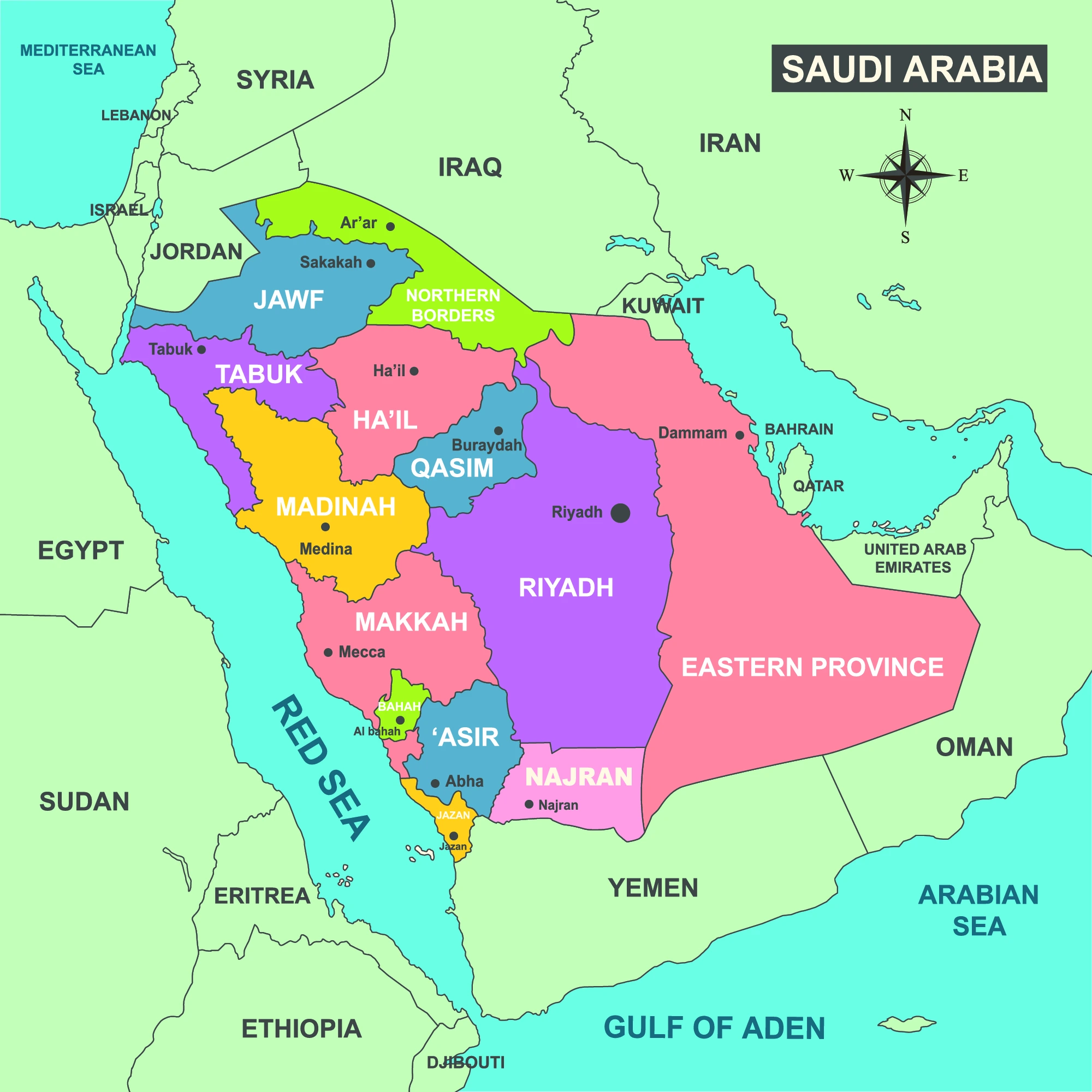
Distribution of FGM/C across Saudi Arabia

Click on the map to enlarge

FGM/C Legislation in Saudi Arabia

Currently, Saudi Arabia does not have a codified penal code, and although there is no specific legislation criminalising FGM/C, Article 1 (2) of the Child Protection Act (2024) prohibits the “infliction of harm or physical injury”  to any child under 18 years, or “any actions that threaten the child’s physical or mental health and safety. In addition the Law of Protection from Abuse (2013) Article 3(14) provides for prosecution of abuse or neglect of a child, any actions that threaten a child’s physical or mental health and safety.

Development Indicators

Population Growth

39,314,406 (as of August 2025), with a 4.6 % growth rate (2024)

Infant Mortality

11.7 deaths per 1,000 live births (2024)

Maternal Mortality

7 deaths per 100,000 live births (2023)

SDG Gender Index

69 out of 139 countries (2024)

facebook twitter linkedin instagram